
Lucknow’s Culinary Triumph
Few cities in India can match the elegance, poetry, and heritage of Lucknow’s culinary culture. Long celebrated as the land of nawabs, refined tehzeeb, and timeless traditions, Lucknow has now earned global recognition with its inclusion in the UNESCO Creative Cities Network (UCCN) as a Creative City of Gastronomy.
This honour is far more than a title — it is a tribute to centuries of craftsmanship, slow-cooking wisdom, cultural harmony, and the city’s dedication to preserving its culinary identity while embracing modern flavours. In Lucknow, food is not merely prepared; it is perfected, narrated, and passed down like a treasured heirloom.
Whether you’re a foodie, culture lover, culinary historian, or curious traveller, Lucknow invites you to wander through smoky kebab lanes, bustling old bazaars, royal kitchens, and modern cafés that reimagine Awadhi classics with flair. From galouti kebabs to malai gilori, every bite carries a story of tradition, technique, and tenderness.
UNESCO’s recognition highlights Lucknow’s vibrant food ecosystem — its royal heritage, street food culture, artisanal sweets, culinary innovations, and the harmonious Ganga-Jamuni tehzeeb that defines its identity. For travellers, this makes Lucknow a truly unforgettable gastronomic destination where culture, community, and cuisine come together beautifully.
Why Lucknow Earned the UNESCO Gastronomy Honour
Lucknow’s rise as a global culinary hub is rooted in centuries of:
Culinary Craftsmanship
The Nawabs of Awadh nurtured a cuisine that blended Persian elegance with North Indian richness. Techniques like dum pukht, slow braising, smoking, and hand-ground spices still define the city’s food culture.
The legendary Galouti Kebab, created for a toothless Nawab, and fragrant Awadhi Biryani exemplify the sophistication of Lucknow’s kitchens.
Rich Nawabi Influences
Persian, Mughal, and Awadhi styles shaped iconic dishes such as sheermal, kebabs, nihari, kormas, and biryani. These traditions continue in both heritage eateries and modern kitchens.
A Living, Evolving Food Culture
Generational shops like Tunday Kababi, Rahim’s, and Mubeen’s still follow 100–200-year-old recipes, while contemporary restaurants such as The Awadh House or Azrak offer fresh interpretations of classic dishes.
Heritage + Innovation
Lucknow seamlessly blends its culinary past with new-age cafés, gourmet spaces, and food courts like Food Valley, making its cuisine accessible to every kind of traveller.
What the UNESCO Creative City of Gastronomy Recognition Means
This global honour acknowledges:
- Mastery of traditional cooking methods
- Preservation of historical culinary knowledge
- Strong street food + royal cuisine ecosystem
- Food-driven cultural exchanges, research, and festivals
Lucknow now stands proudly among global cities where food itself is a cultural institution.
How to Explore Lucknow’s Gastronomy Like a Local
Begin in Old Lucknow
Start your journey through Chowk, Aminabad, and Hazratganj, where kebabs, nihari, sheermal, and chaat rule the streets. Watch flatbreads puff on tavas, breathe in aromatic smoke from charcoal grills, and chat with vendors who guard secret Nawabi recipes.
Follow the Kebabs
From street stalls to heritage restaurants, kebabs are Lucknow’s soul. Each variety reflects finesse, spice mastery, and culinary history.
Taste the Breakfast Culture
Don’t miss Kulcha-Nihari, Kachori-Sabzi, and early-morning chai in kulhads.
Experience Royal Awadhi Dining
Immerse yourself in slow-cooked qormas, dum biryanis, and sheermal at heritage restaurants known for their grace, authenticity, and storytelling.
End With Iconic Sweets
Indulge in Makhan Malai (winter), Malai Gilori, rabri, shahi tukda, and classic kulfi and falooda.
Take a Guided Food Walk
A food trail through old Lucknow reveals hidden kitchens, spice stories, and culinary legends you might otherwise miss.
Top 5 Must-Try Delicacies in Lucknow (and Where to Find Them)
Galouti Kebab
Silky, aromatic, melt-in-the-mouth kebabs made with more than 100 spices — a Nawabi legend.
Where: Tunday Kababi – Aminabad & Chowk
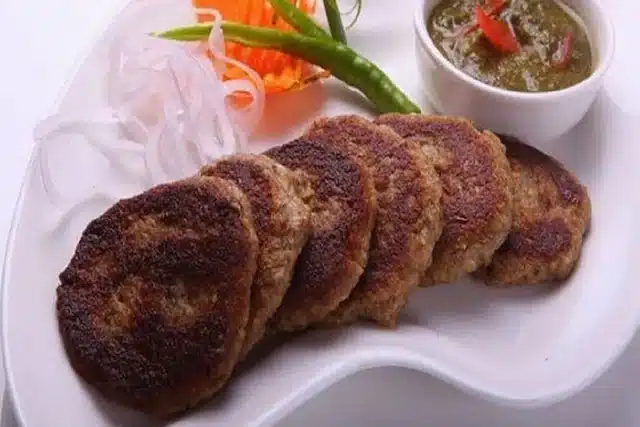
Lucknow Awadhi Biryani

A fragrant, layered, subtly spiced biryani cooked in dum — delicate, balanced, regal.
Where: Idris Biryani (Chowk), Wahid’s (Aminabad)
Nihari-Kulcha
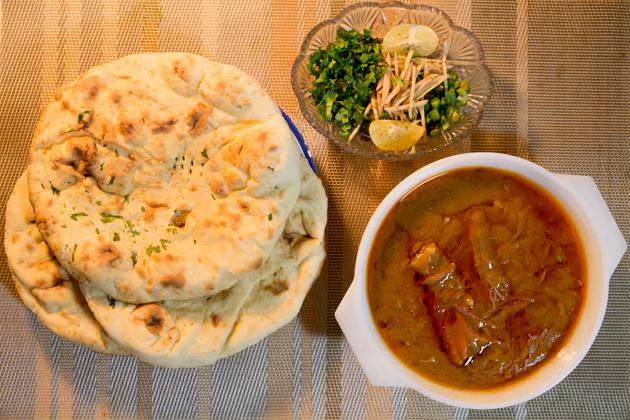
A slow-cooked meat stew paired with soft kulcha — the city’s most authentic breakfast experience.
Where: Rahim’s, Chowk (early morning)
Tokri Chaat

A crispy potato basket loaded with curd, chutneys, spices, and herbs — an iconic Lucknow innovation.
Where: Royal Café, Hazratganj
Sheermal + Malai Gilori / Makhan Malai

Saffron-scented sweet bread and cloud-like winter desserts that capture Lucknow’s old-world charm
Where: Sheermal ki Dukaan (Chowk), Suleman’s (Aminabad), Ram Asrey (Hazratganj)
2-Day Lucknow Food Guide and Itinerary
Day 1 — Old City & Traditional Awadhi Flavours
- Breakfast: Kachori-Sabzi, kulhad chai in Chowk
- Explore Aminabad’s street food & spice shops
- Afternoon: Watch a Galouti or Dum Pukht cooking demo
- Dinner: Authentic Awadhi feast — biryani, nihari, malai gilori
Day 2 — Sweets, Food Trails & Modern Lucknow
- Morning: Sheermal, rabri, and seasonal Makhan Malai
- Midday: Guided food walk covering hidden kitchens
- Evening: Nawabi-style dinner with live music.
Lucknow — A City You Don’t Just Visit, You Taste
Lucknow isn’t merely a destination; it is an experience that unfolds one delicious bite at a time. As a UNESCO Creative City of Gastronomy, it stands proudly among the world’s great culinary capitals — yet remains warm, welcoming, and wonderfully rooted in its traditions. From the smoky lanes of Chowk and Aminabad to the polished cafés of Hazratganj and the buzzing hubs of modern Lucknow, every corner invites you into its flavorful heritage.
Here, centuries-old techniques still simmer in copper pots, family recipes are guarded like treasure, and each dish tells a story — of Nawabi grace, slow cooking, and an unmatched love for food. Whether it’s the melt-in-your-mouth Galouti kebab, the delicate Makhan Malai, or the comforting Kulcha-Nihari, Lucknow reminds you that true cuisine is not rushed — it is crafted.
So come hungry, walk slowly, ask questions, taste boldly, and let the city’s aromas guide you. Because in Lucknow, food is not just part of the journey — it is the journey. And once you’ve savored its magic, you’ll carry its flavours with you long after the trip ends.
FAQ’s – Planning a Culinary Trip to Lucknow
Why is Lucknow famous for food?
Because it’s the heart of Awadhi cuisine — known for kebabs, biryani, kormas, sheermal, and chaat shaped by centuries of Nawabi traditions.
Best areas for street food?
Chowk, Aminabad, and Hazratganj.
When is Makhan Malai available?
Winter (November–February), as it’s made using dew and cold air.
How many days are ideal for a food trip?
2–3 days to explore both old and modern food scenes.
Is Lucknow safe for solo travellers?
Yes, especially in main areas. Food walks offer added safety and cultural insights.
Is Awadhi food spicy?
No. It focuses on aroma, richness, and balance — not extreme heat.
